
Dental anxiety, also known as dentophobia, is a common issue that affects millions of people worldwide. Whether it stems from a negative past experience, fear of pain, or simply the thought of the dentist’s chair, this anxiety can lead people to postpone or avoid dental visits altogether. This avoidance can lead to serious dental problems in the long term. In this blog post, I will explain what dental anxiety is, why it is important to overcome it and offer some useful tips to help reduce this anxiety.
What is Dental Anxiety?
Dental anxiety is an intense fear or nervousness that occurs when thinking about or visiting the dentist. This fear can range from mild tension to severe panic. Symptoms may include:
– Sleepless nights before the appointment
– A feeling of unease or panic in the dentist’s chair
– Increased heart rate and sweating
– Nausea or dizziness
Why is it Important to Overcome Dental Anxiety?
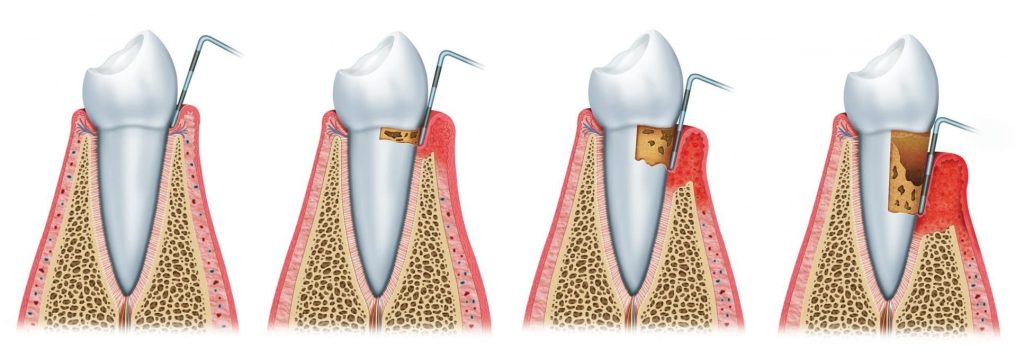
Avoiding the dentist can have serious consequences for oral health. Regular dental visits are crucial for preventing and detecting problems such as cavities, gum disease and other oral health issues early on. By avoiding the dentist, you risk allowing minor issues to escalate into serious and painful conditions that require more complex and often expensive treatments.
Tips to Reduce Dental Anxiety
1. Talk About Your Anxiety:
Tell your dentist about your fear. A good dentist will be understanding and patient, and can take measures to make you feel more comfortable.
2. Schedule an Early Appointment:
Choose a morning appointment so you have less time to worry. This can help reduce anxiety that builds up throughout the day.
3. Bring Someone With You:
Ask a friend or family member to come with you. Their presence can provide a sense of security and reassurance.
4. Use Relaxation Techniques:
Breathing exercises, meditation, or listening to calming music can help calm you down before and during the appointment. Don´t forget to bring your earphones!
5. Ask Questions:
Knowledge is power. Ask your dentist to explain what will happen. This can help reduce fear of the unknown.
6. Use Anesthesia:
Modern dentistry offers various anesthesia and sedation options. Discuss these with your dentist to see which works best for you.
7. Set Realistic Goals:
Start with small steps. Even making an appointment and talking to your dentist without undergoing treatment can be a good start.
8. Seek Professional Help:
If your anxiety is very severe, consider seeking help from a therapist who specializes in anxiety disorders. Therapies such as cognitive behavioral therapy (CBT) can be very effective.
Conclusion
Dental anxiety is a common but reversible issue. By openly discussing your fears, using relaxation techniques, and working with your dentist, you can take steps to improve your oral health and reduce your anxiety. Remember, you are not alone, and there are many resources and strategies available to help you.