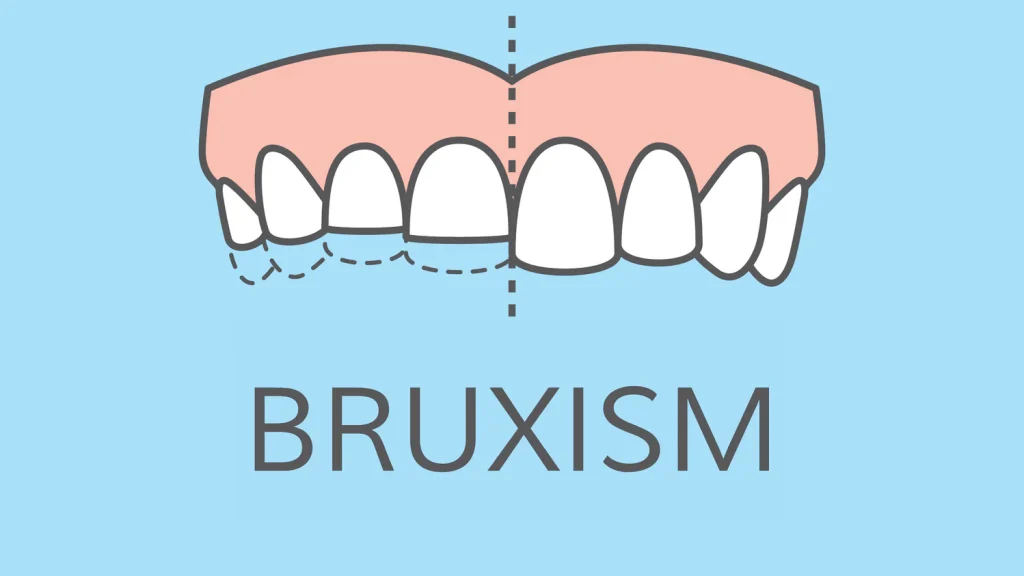

Many people grind or clench their teeth without realizing it. This habit, often related to stress or tension, can overload the muscles that help us chew and move the jaw.
When these muscles are constantly working, they can become tight and painful, and the tension can even spread to the head and neck.
The most common muscles that become sensitive due to grinding or clenching are:
Masseter muscles – the main chewing muscles at the sides of the jaw
Temporal and occitofrontalis muscles – located on the sides and top of the head and more related to headaches
Neck muscles, especially the sternocleidomastoid
Learning how to gently massage these areas can help release tension and improve comfort in the jaw and head.
Below are some simple techniques you can try at home.
1. Finding Your Masseter Muscles
The masseter is one of the strongest muscles in the body and the main muscle responsible for chewing.
To locate it:
Place your fingers on the side of your jaw, just in front of the ear.
Gently clench your teeth.
You will feel a muscle pop out under your fingers — that is your masseter.
Once you know where it is, it becomes much easier to massage it.
2. Releasing Neck Tension
The neck muscles are often involved in jaw tension, especially the sternocleidomastoid, which runs from behind the ear down to the collarbone.
To massage it:
Make soft fists.
Gently massage from top to bottom along the muscle.
Use light pressure.
Move slowly and breathe deeply.
This can help reduce the overall tension that contributes to clenching.
3. Massaging the Masseter
This simple massage can help relax the main chewing muscle.
Steps:
- Make soft fists.
- Place the knuckles over the masseter.
- Gently massage up and down along the muscle fibers.
Keep the pressure comfortable — this area can be sensitive if it is very tense.
4. Deeper Masseter Release
This technique allows you to massage the muscle from both sides.
Always use clean hands and gentle pressure.
This is how you do it:
Place your thumb inside the mouth, at the very back of the jaw on the inside of the mandibular ramus.
The thumb will rest against the inner side of the masseter.
With the other fingers on the outside of the jaw, gently massage the muscle.
You are now working the muscle from both sides at the same time
5. Relaxing the Scalp
Jaw tension often spreads upward into the temples and the scalp.
A simple scalp massage can help release this tension.
- Place your fingers in your hair.
- Massage the scalp with small circular movements.
- Move across the sides and top of the head.
Bonus effect: you may end up with a lot more volume in your hair afterwards, hahaha
A Small Reminder
These exercises can help reduce muscular tension, but they do not replace a proper evaluation if you suffer from:
frequent jaw pain
headaches
worn teeth
or persistent grinding
If you suspect you grind or clench your teeth, a dental professional can help evaluate the cause and discuss possible solutions.