Dental Erosion: What Is It, Why Does It Happen, and What Can You Do?
During a dental check-up, I don’t only look for cavities but also for enamel wear. One of the most common — and often underestimated — problems is erosion.
What is erosion?
Erosion is the chemical dissolution of tooth enamel caused by acids, without bacterial involvement.
Unlike dental caries, where bacteria convert sugars into acid, in erosion the acid comes directly from outside or from inside the body.
Once enamel is lost, it does not grow back. That is why early detection is so important.
What are the causes?
We distinguish two main types:
1. Extrinsic erosion (from outside)
Here, acid comes into contact with the teeth through food or drinks.
For example:
-
Soft drinks (even sugar-free!)
-
Energy drinks
-
Sports drinks
-
Fruit juices
-
Citrus fruits
-
Apple cider vinegar shots
-
Frequent use of acidic supplements
Important: even “healthy” habits can cause erosion. Adding lemon to your water daily may seem healthy, but in the long term it can cause damage.
2. Intrinsic erosion (from inside)
Here, the acid comes from the stomach.
Possible causes:
-
Reflux
-
Stomach acid problems
-
Frequent vomiting (for example in eating disorders)
-
Pregnancy-related nausea
Stomach acid is extremely strong and can quickly damage enamel.
What are the consequences?
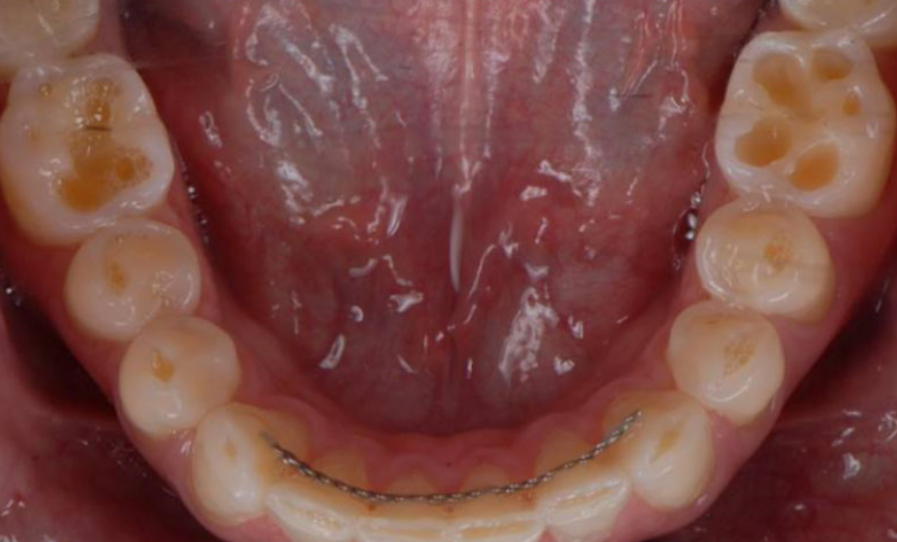
Erosion often progresses gradually and painlessly at first.
Possible signs:
-
Smooth, shiny teeth
-
Thinning enamel
-
Yellow discoloration (underlying dentin becomes visible)
-
Transparent incisal edges
-
Sensitivity to cold or heat
-
Changes in bite or tooth shape
In advanced stages, there may be:
-
Severe sensitivity
-
Rapid wear
-
Tooth fractures
-
Aesthetic concerns
How can you prevent erosion?
Prevention is essential.
-
Do not drink excessive amounts of soft drinks or acidic beverages.
-
If you drink acidic beverages, drink them in one sitting rather than sipping throughout the day.
-
If you suffer from reflux or an eating disorder, consult your doctor or specialist as soon as possible. Treating the cause is crucial.
What if you already have erosion?
It depends on the severity.
In early stages:
-
Intensive prevention
-
Brushing with a soft or electric toothbrush
-
Fluoride toothpaste (no whitening or charcoal toothpaste)
-
If you are a bruxer, discuss the option of a night guard with your dentist
-
Remove tongue or lip piercings (they increase fracture risk; in general, I do not recommend oral piercings)
-
Stop parafunctional habits such as nail biting or chewing on pens
-
Fluoride or remineralization therapy
-
Monitoring with photographs, scans, and wear indices
In moderate cases:
-
Composite build-ups
-
Protection of vulnerable areas
In severe cases:
-
Onlays or crowns (as minimally invasive as possible)
-
Bite rehabilitation if needed
-
Multidisciplinary approach (for example with a GP or gastroenterologist in case of reflux)
My principle is always: preserve as much natural tooth structure as possible and address the cause before restoring.
Do you wonder whether you show signs of erosion?
During a dental check-up, I evaluate not only cavities but also wear patterns and acid attacks.Early intervention means less invasive treatment later.
Take care of your enamel — it is thinner than you think, but stronger than you think… if you protect it.