What is Bruxism?
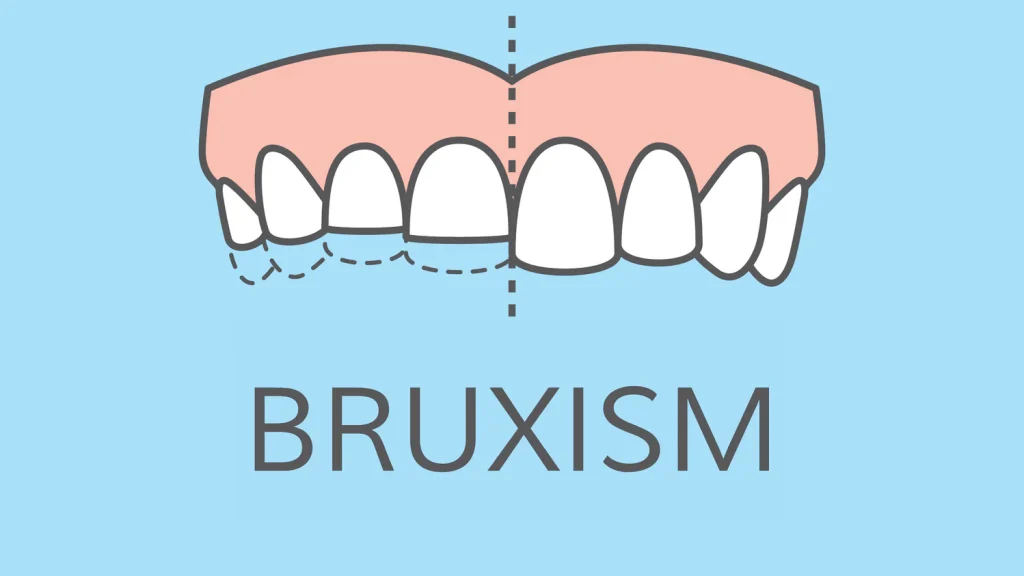
Bruxism is the unconscious grinding or clenching of your teeth. This often occurs at night while sleeping, but it can also happen during the day, often due to stress or concentration.
Types of Bruxism
Grinding: This involves forcefully moving your teeth back and forth, creating a grinding sound and causing wear to the teeth. It often happens while sleeping and can lead to shortened, worn-down teeth.

Clenching: In this case, you press your teeth firmly together without any sliding motion. Although there is no sliding, the constant pressure can damage enamel and cause tension in the jaw muscles.

How Do I Know If I Am a Bruxist?
Bruxism is often difficult to recognize on your own because it usually happens unconsciously, especially at night. However, there are several signs that may indicate you are a bruxist:
1. Sensitive Teeth
Your teeth may be sensitive to heat, cold, or sweets due to enamel wear.
2. Jaw Pain or Tension
You may experience painful or tense jaw muscles, especially upon waking.
3. Headaches
Recurring headaches can be a result of overloading your chewing muscles.
4. Teeth Imprints on Your Tongue or Cheeks
Clenching your teeth can create imprints on the sides of your tongue or the inside of your cheeks.
5. Tooth Wear
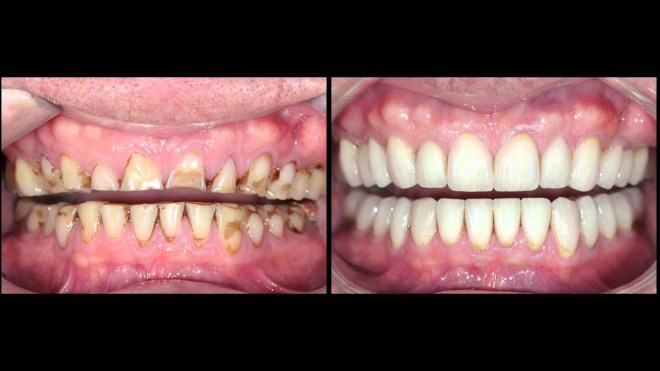
Your teeth may become shorter, flattened, or damaged due to grinding.
6. Clicking or Pain in the Jaw Joint
Some people experience a clicking sound or pain when opening or closing the mouth.
7. Broken Teeth or Fillings
Grinding or clenching can damage teeth, crowns, or fillings, leading to further dental issues.
Tips to Prevent Damage
1. Wear a Mouthguard
A custom-made splint or night guard protects your teeth from wear and helps distribute the pressure across your jaw.
2. Reduce Stress
Stress is a major cause of bruxism. Try relaxation techniques like yoga, breathing exercises, or meditation to reduce stress.
3. Mind Your Posture
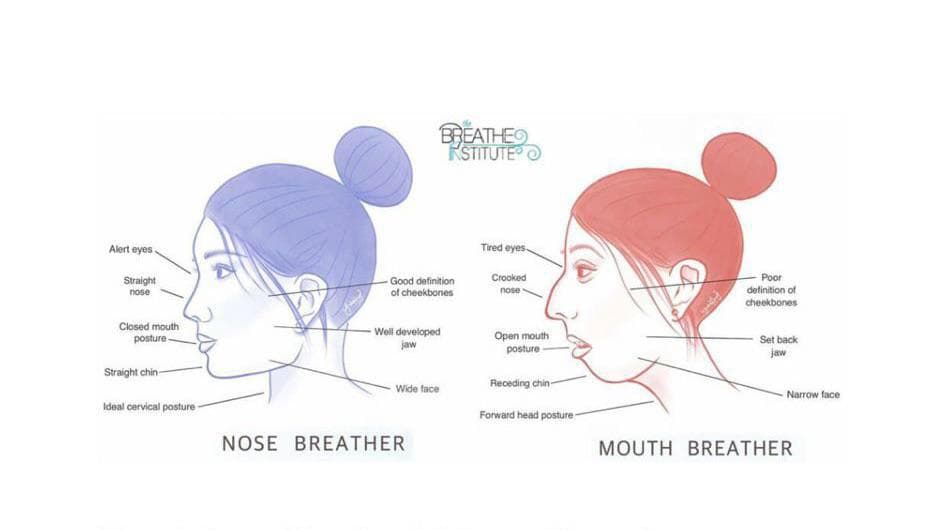
Poor posture can exacerbate tension in your jaw. Maintain an upright posture, especially if you spend a lot of time at a desk.
4. Avoid Caffeine and Alcohol
Both can activate your muscles and worsen bruxism, especially before bed.
5. Relax Your Jaw Muscles
Regularly massage your jaw muscles or use a warm compress to release tension.
6. Improve Sleep Hygiene
Ensure a good night’s sleep by maintaining a regular sleep schedule and keeping your bedroom dark and quiet.
7. Botox in the Chewing Muscles
If you frequently clench or grind during the day, Botox can be an effective option. Botox relaxes the masseter muscles, reducing the force of clenching or grinding. This not only prevents further damage to your teeth but can also help relieve jaw tension and headaches. This is a good option if you clench/grind during the day as well.
What If Your Teeth Are Already Worn Down?
If bruxism has already caused significant damage, there are several options to restore your teeth:
1. Bite Reconstruction with Composite
For moderate wear, composite material can be used to rebuild worn teeth and restore their original shape. This is a less invasive (and more affordable) option that restores the height of your bite while protecting the underlying tooth structure.
2. Bite Reconstruction with Crowns/Onlays
In cases of severe wear or damage, crowns are often the best solution. Crowns cover the entire tooth, restoring strength, aesthetics, and the original height of your bite.
3. Orthodontic Treatment (If Necessary)
Sometimes, these treatments must be combined with orthodontics to properly align the teeth and distribute pressure evenly across the bite.
Maintaining the Results
After restoring the bite, it is crucial to prevent further damage and maintain the results. It is very important for patients to receive either a splint or Botox treatment following the procedure.
Conclusion
Bruxism is a serious issue that deserves timely attention to prevent severe damage. By reducing stress, wearing a mouthguard, and relaxing your jaw muscles, many problems can be avoided. Has your teeth already been damaged? Don’t worry: there are options to restore your smile and regain the functionality of your teeth.
Do you suffer from bruxism or are you unsure? Feel free to reach out. Together, we can find the best solution for your situation.