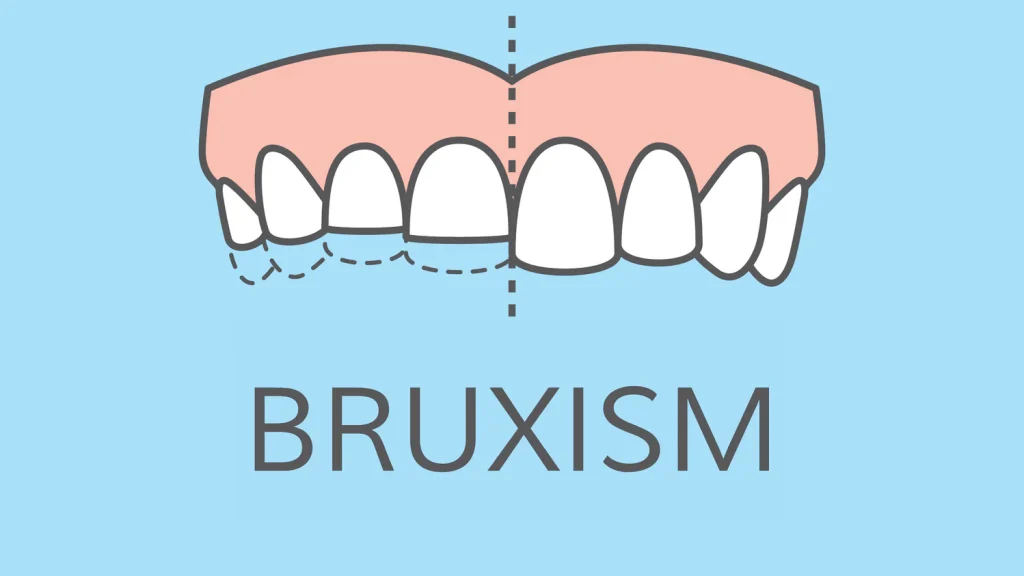
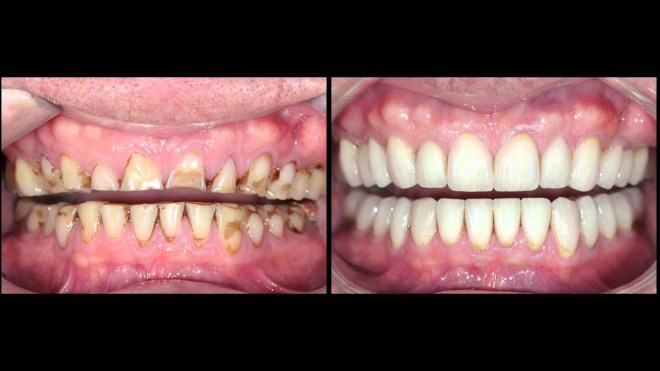
In patients with severe tooth wear — often caused by bruxism (teeth grinding) — the teeth can become so shortened that the entire bite loses its original form and function. In such cases, a full mouth rehabilitation is necessary: a comprehensive but highly valuable treatment that restores the aesthetics, function, and durability of the dentition.
What is a Full Mouth Rehabilitation?
A full mouth rehabilitation is a dental procedure in which all (or almost all) teeth are rebuilt in terms of height, shape, and position. This is typically done using:
-
Composite buildups
-
Ceramic restorations (inlays, onlays, or crowns)
-
Sometimes combined with orthodontics or splint therapy
The goal is to restore the lost vertical dimension (the distance between upper and lower jaws at rest and when biting) and to bring the bite back into balance.
When is Full Mouth Rehabilitation Needed?
This treatment is typically necessary in cases of:
-
Severe tooth wear due to bruxism or erosion
-
Chronic overload of the teeth
-
Symptoms like jaw pain, muscle fatigue, or headaches due to an unbalanced bite
-
Aesthetic reasons, such as a “collapsed” facial appearance from shortened teeth
-
Difficulties chewing or speaking due to lost bite height
How Does the Treatment Work?
Full mouth rehabilitation is a carefully planned process, usually carried out in the following steps:
-
Diagnosis and Analysis
Comprehensive assessment with impressions/scans, bite registration, photographs, and a wax-up (a model of the desired end result).
Includes analysis of muscle activity, jaw movements, and wear patterns. -
Trial Build-up / Temporary Restorations
Temporary composite restorations are placed to test the new bite height.
This phase helps assess comfort, function, and aesthetics and allows for adjustments. -
Definitive Restorations
Once the test phase is successful, final restorations are placed (such as onlays, crowns, or veneers made of ceramic or composite). -
Aftercare and Protection
A splint (night guard) is often essential to protect the restorations from excessive force.
Regular check-ups and maintenance are important for long-term success.
Frequently Asked Questions
Does it hurt?
The procedure is done under local anesthesia and is generally well tolerated. The trial phase helps your body gradually adapt to the new bite.
How long does it take?
On average, a full mouth rehabilitation takes several months, depending on the complexity and your specific needs.
Is the result long-lasting?
With proper materials, good oral hygiene, and a protective night guard, you can enjoy a strong, functional, and beautiful smile for many years.
In Summary
A full mouth rehabilitation is more than just an aesthetic procedure — it’s a functional restoration that brings your bite back into balance. In cases of severe wear due to grinding or other factors, this treatment can significantly improve both your quality of life and your confidence.